2026-03-19
A stabilny parasol — po duńsku i norwesku „parasol odporny na wiatr” — to parasol zewnętrzny zaprojektowany tak, aby pozostawał stabilnie na miejscu nawet podczas silnych podmuchów wiatru. Jeśli kiedykolwiek widziałeś, jak standardowy parasol ogrodowy przewraca się po patio podczas letniej burzy, już wiesz dokładnie, dlaczego a stabilny parasol sprawy. Krótka odpowiedź: odpowiedni wiatroszczelny parasol łączy w sobie solidny system słupków, wzmocnione żebra, dobrze wentylowany baldachim i wytrzymałą podstawę, aby zapewnić niezawodny cień bez zagrożenia bezpieczeństwa związanego z latającym baldachimem.
Nie każdy parasol ogrodowy, który twierdzi, że jest odporny na wiatr, zasługuje na etykietę stabilizacja obrazu . Prawdziwa stabilność wiatru to system — każdy element musi ze sobą współpracować. Inżynierowie i projektanci mebli ogrodowych testują parasole, korzystając ze standardowych wskaźników siły wiatru, często odwołując się do skali Beauforta. Naprawdę stabilny parasol zazwyczaj utrzymuje swoją pozycję do siły Beauforta 5–6 (prędkość wiatru 29–49 km/h), a modele premium radzą sobie w porywach nawet większych.
Podstawowa zasada jest trojaka: sztywność strukturalna , aerodynamiczna konstrukcja baldachimu , i masa kotwiąca . Kiedy którykolwiek z tych trzech jest słaby, cały parasol staje się niestabilny, bez względu na to, jak silne są pozostałe.
Standardowe parasole ogrodowe zostały zaprojektowane przede wszystkim z myślą o estetyce przy spokojnej pogodzie i niskiej cenie. Zwykle używają słupów aluminiowych o średnicy 25–32 mm, żeber z włókna szklanego lub cienkiej stali i daszków poliestrowych bez paneli wentylacyjnych. Pod naporem wiatru czasza zachowuje się jak żagiel – łapiąc powietrze, skręcając ramę i ostatecznie odwracając lub przewracając całą konstrukcję. A stabilny parasol rozwiązuje każdy z tych słabych punktów dzięki celowym wyborom inżynieryjnym.
Najbardziej efektywną cechą odporności na wiatr jest: podwójna warstwa wentylacyjna na górze baldachimu. Taka konstrukcja umożliwia przepływ wiatru przez otwór wewnętrzny i ucieczkę przez otwór zewnętrzny, radykalnie zmniejszając siłę nośną skierowaną do góry, która powoduje odwrócenie czaszy. Premium stabilny parasol modele są wyposażone w dwa lub nawet trzy ułożone w stos pierścienie wentylacyjne, które umożliwiają skierowanie wiatru do góry i jego rozproszenie, zamiast zwiększać ciśnienie pod tkaniną baldachimu.
A stabilny parasol średnica słupka powinna wynosić co najmniej 48 mm w przypadku 3-metrowego baldachimu, a najlepiej 60–76 mm w przypadku większych modeli. Materiały mają ogromne znaczenie:
Tanie parasole wykorzystują cienkie aluminiowe lub puste w środku stalowe żebra, które wyginają się lub pękają pod wpływem bocznego wiatru. Jakość stabilny parasol wykorzystuje elastyczne, ale mocne żebra z włókna szklanego , które pochłaniają i rozprowadzają energię wiatru bez pękania. Niektóre modele z najwyższej półki zawierają żebra z kompozytu włókna węglowego, co zmniejsza masę całkowitą, a jednocześnie zwiększa sprężystość.
Tkanina baldachimu A stabilny parasol powinien osiągnąć co najmniej a Stopień ochrony przeciwsłonecznej UPF 50 i być wykonane z barwionego w masie akrylu lub poliestru o dużej gęstości i gęstym splocie. Akryl barwiony w masie zachowuje kolor znacznie dłużej niż alternatywy barwione powierzchniowo, a jego otwarta struktura pozwala na niewielką przepuszczalność powietrza, co w rzeczywistości zmniejsza ciśnienie wiatru w porównaniu z całkowicie nieprzepuszczalnymi tkaninami.
Solidny system korby i kołnierza blokującego zapobiega obracaniu się lub nieoczekiwanemu opadaniu czaszy pod podmuchami wiatru. Wiele premium stabilny parasol projekty obejmują mechanizm automatycznego pochylania , umożliwiając czaszy odchylanie się w kierunku przeciwnym do kierunku wiatru, co jeszcze bardziej zmniejsza efektywną powierzchnię żagla narażoną na bezpośrednie podmuchy.
Wybór słuszności stabilny parasol typ zależy od układu zewnętrznego, preferencji instalacji i typowej ekspozycji na wiatr w Twojej przestrzeni. Oto główne kategorie:
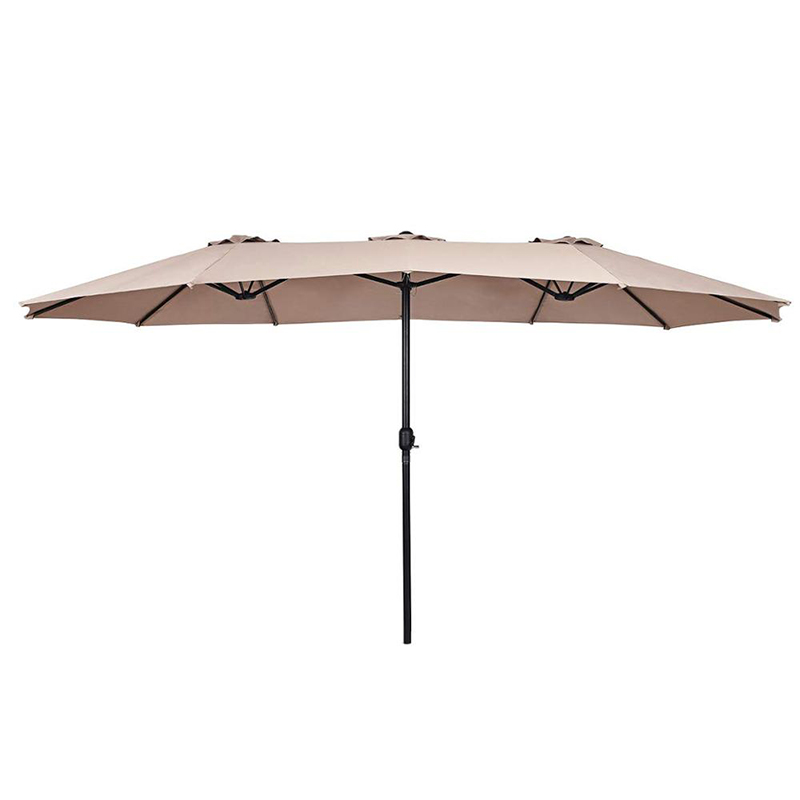
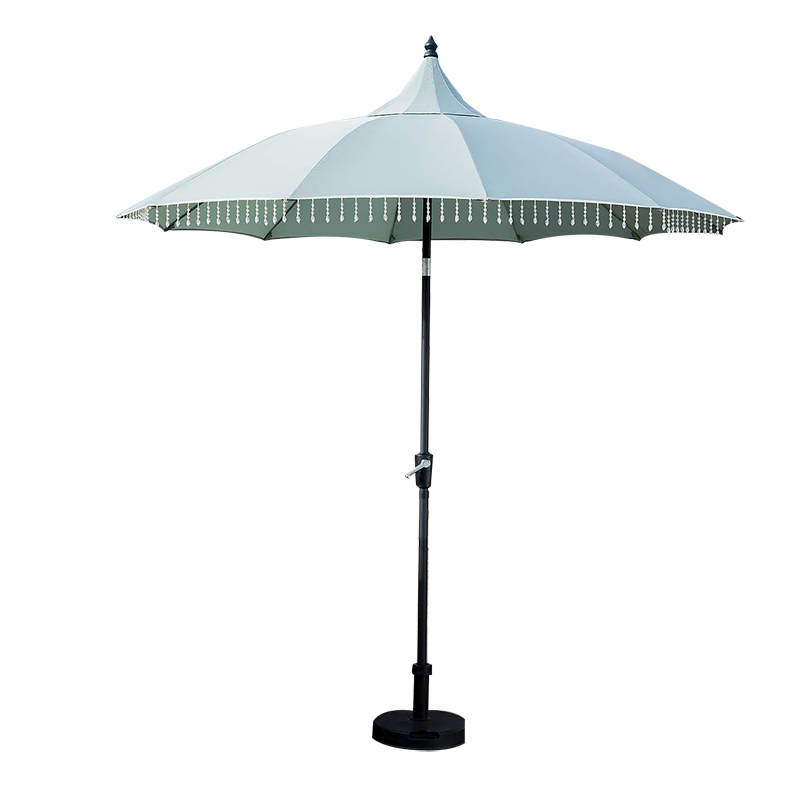
Klasyczny design z centralnym masztem przechodzącym przez środek baldachimu i prowadzącym do otworu w podstawie lub stole. Kiedy jest zbudowany stabilizacja obrazu standardów, parasol ze środkowym słupkiem ma najbardziej stabilną dostępną geometrię — kierunek słupka jest bezpośrednio zgodny z obciążeniem grawitacyjnym. Najlepsze do okrągłych lub kwadratowych stołów do jadalni, do których centralna podstawa pasuje naturalnie.
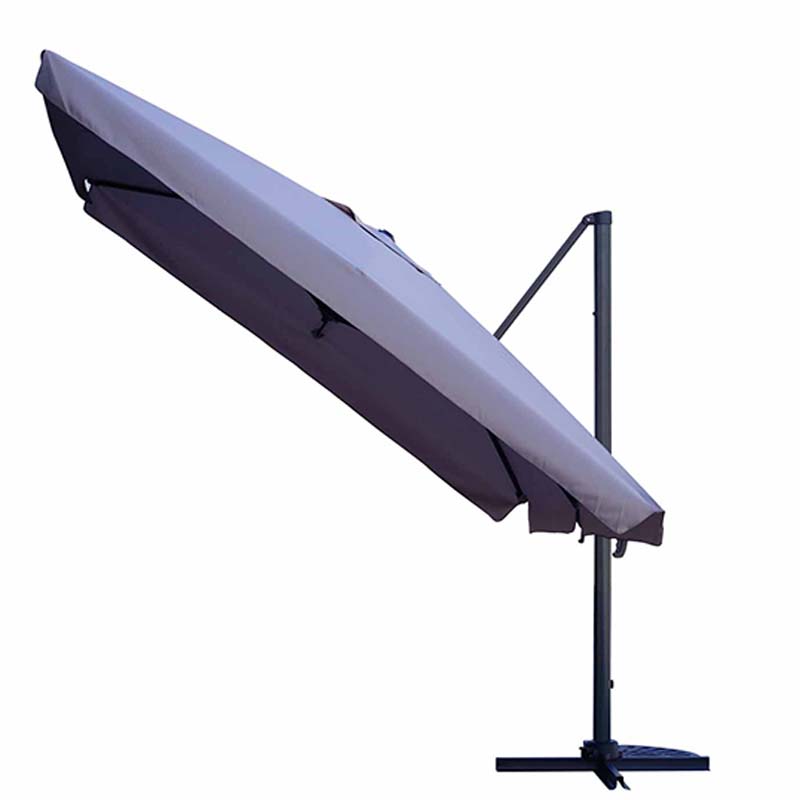
Wspornik stabilny parasol ma słupek zamontowany z boku, dzięki czemu zacieniony obszar jest całkowicie wolny od przeszkód. Są one popularne w przypadku miejsc na leżakach i przy basenie. Jednakże przesunięta geometria wytwarza znacznie większy moment obrotowy pod obciążeniem wiatrem, dlatego podstawa musi być znacznie cięższa — zwykle 60–100 kg lub więcej — a rama wewnętrzna musi zawierać solidne ramię przeciwdziałające momentowi.
Mocowane bezpośrednio do ściany lub słupka płotu, parasole naścienne korzystają ze wsparcia strukturalnego, któremu nie dorównuje żadna wolnostojąca podstawa. Do stale wietrzonego tarasu lub balkonu, montaż na ścianie stabilny parasol może być doskonałym rozwiązaniem — pod warunkiem, że ściana montażowa jest wykonana z litego muru lub zbrojonego drewna i jest w stanie wytrzymać obciążenia dynamiczne.
Poniższa tabela porównuje trzy główne stabilny parasol typów według najbardziej odpowiednich kryteriów zakupu:
| Kryterium | Biegun środkowy | Wspornik | Do montażu na ścianie |
|---|---|---|---|
| Stabilność wiatru | ⭐⭐⭐⭐⭐ | ⭐⭐⭐ | ⭐⭐⭐⭐⭐ |
| Elastyczność cienia | Średni | Wysoka | Średni |
| Wymagana masa podstawowa | 30–50 kg | 60–120 kg | N/A (kotwa ścienna) |
| Przenośność | Średni | Niski | Bardzo niski |
| Typowy rozmiar baldachimu | 2–5 m | 2,5–5 m | 2–3,5 m |
| Przedział cenowy (EUR) | 150–900 euro | 300–2000 euro | 200–800 euro |
| Najlepsze dla | Stoły do jadalni, małe patio | Leżaki, baseny, otwarte tarasy | Balkony, małe tarasy |
| Złożoność instalacji | Niski | Średni | Wysoka |
Rozmiar jest bezpośrednio powiązany z obciążeniem wiatrem. Większy baldachim wychwytuje znacznie więcej energii wiatru — zależność jest z grubsza kwadratowa: podwojenie średnicy czterokrotnie zwiększa powierzchnię, a tym samym siłę wywieraną przez wiatr. Dlatego też wybór odpowiedniego rozmiaru przestrzeni nie polega tylko na zacienieniu; to jest krytyczne stabilizacja obrazu decyzja.
| Średnica parasola | Idealny przypadek użycia | Min. Polecana baza | Min. Średnica bieguna |
|---|---|---|---|
| 2,0–2,5 m | Stoły kawiarniane, zestawy bistro, balkony | 20–30 kg | 38 mm |
| 2,7–3,0 m | Stół dla 4–6 osób | 40–50 kg | 48–60 mm |
| 3,5–4,0 m | Duży taras, restauracja, basen | 60–80 kg | 70–76 mm |
| 5,0 m | Wykorzystanie komercyjne, kurortowe, eventowe | 100 kg lub kotwa gruntowa | 90–100 mm |
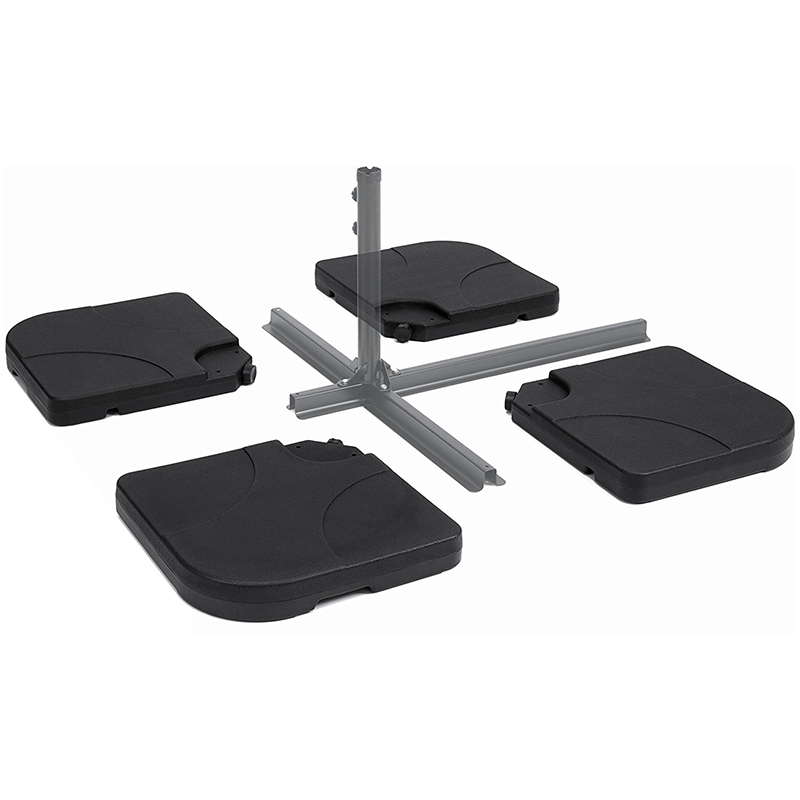
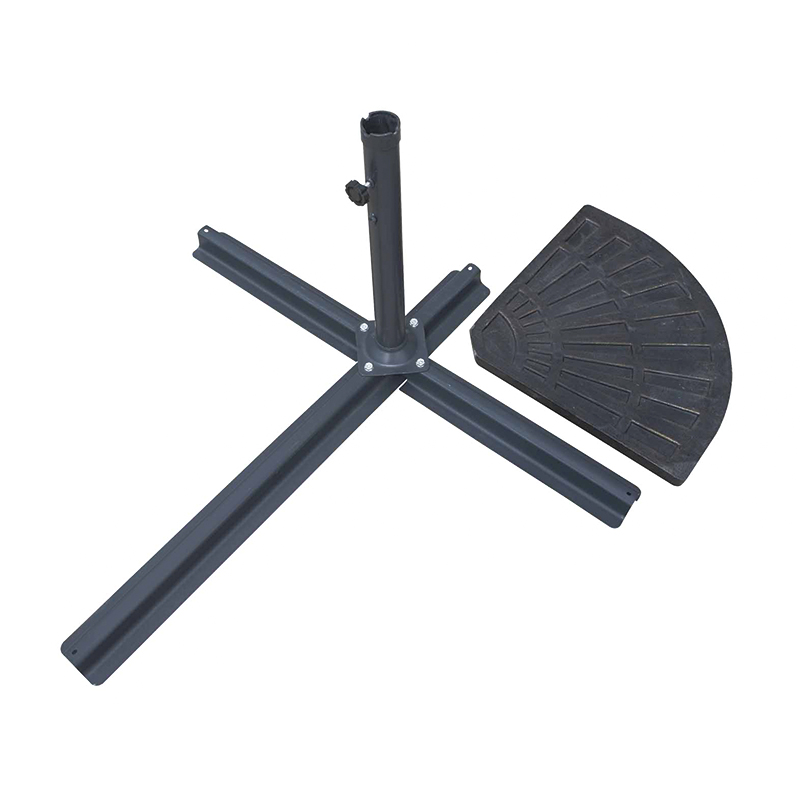
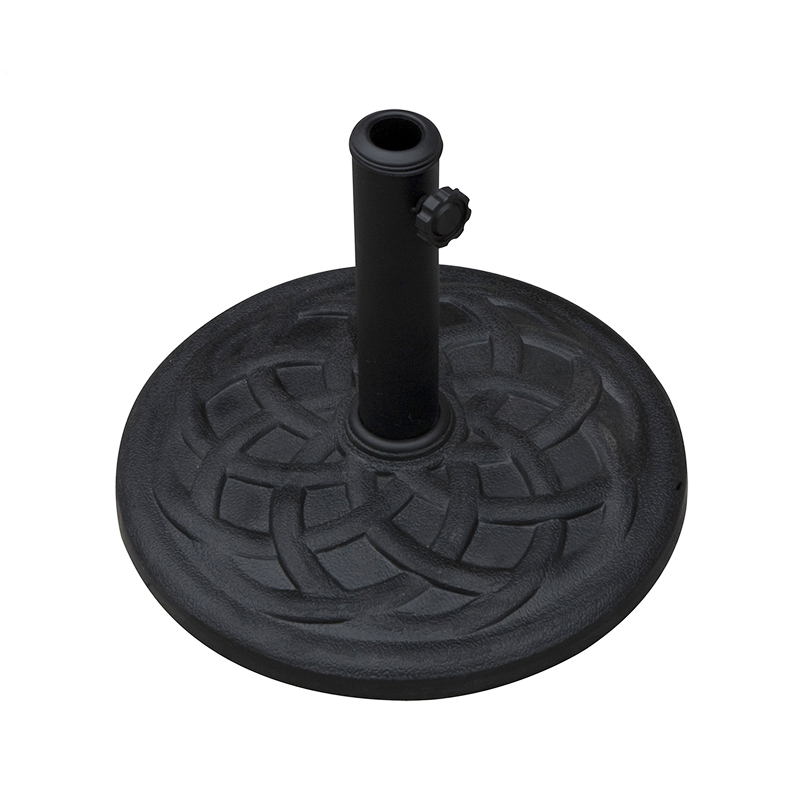
Baza jest prawdopodobnie najbardziej niedocenianym składnikiem stabilny parasol systemu. Wielu kupujących inwestuje w wysokiej klasy baldachim i tyczkę, a następnie łączy je z lekką podstawą – skutecznie podważając wszystko inne, na co wydali pieniądze.
Praktyczna zasada: podstawa powinna ważyć co najmniej 10 kg na metr średnicy czaszy w przypadku parasola ze słupkiem centralnym w osłoniętym miejscu , i up to 20 kg per metre in exposed or coastal positions. For cantilever models, multiply those figures by 1.5–2.0 due to the torque leverage of the offset arm.
Aby uzyskać najwyższą odporność na wiatr, rozważ przykręcenie podstawy do utwardzonej powierzchni patio za pomocą śrub kotwiących, przekształcając każdą wolnostojącą konstrukcję stabilny parasol w półtrwałą, niezwykle bezpieczną instalację.
Vindstabil to skandynawskie słowo złożone łączące „wind” (wiatr) i „stabil” (stabilny). W duńskich, norweskich i szwedzkich wykazach produktów oznacza parasol lub parasol zewnętrzny, specjalnie przetestowany i oceniony pod kątem odporności na siły wiatru. Termin ten stał się szeroko stosowany na europejskich rynkach mebli ogrodowych jako sygnał jakości stabilny parasol produkty.
Jakość stabilny parasol modele są zwykle oceniane jako stabilne przy utrzymującym się wietrze o sile 5 w skali Beauforta (29–38 km/h), jeśli są odpowiednio wyważone. Profesjonalne modele klasy premium radzą sobie z porywami Beauforta 6 (39–49 km/h). Powyżej tych progów zawsze najbezpieczniej jest zamknąć baldachim, niezależnie od tego, jak dobrze zbudowany jest parasol. Żaden parasol zewnętrzny nie jest zaprojektowany tak, aby pozostawał otwarty podczas sztormu.
Tak — z założenia wspornik (słup przesunięty) stabilny parasol tworzy ramię reakcyjne, które zwielokrotnia moment wywracający wywołany wiatrem. Nie oznacza to, że modele wspornikowe nie mogą być odporne na wiatr; oznacza to, że wymagają znacznie cięższych podstaw i solidniejszych ram wewnętrznych, aby osiągnąć ten sam poziom stabilności. Wysokiej jakości parasol wspornikowy o ciężkiej podstawie, który można ustawić w osłoniętym ogrodzie, sprawdza się dobrze, ale w naprawdę eksponowanym miejscu na wybrzeżu konstrukcja ze środkowym słupkiem zawsze będzie miała przewagę konstrukcyjną.
Jeśli nie możesz jeszcze wymienić swojego obecnego parasola na specjalnie zaprojektowany stabilny parasol , wprowadzono kilka praktycznych ulepszeń: (1) znacznie zwiększ ciężar podstawowy, dodając dodatkowy obciążony dysk lub całkowicie wypełniając podstawę napełniającą wodą piaskiem, a nie wodą — piasek jest około 50% cięższy; (2) obniżyć wysokość baldachimu bliżej stołu, aby zmniejszyć dźwignię; (3) użyj funkcji pochylenia, aby ustawić czaszę pod kątem przeważającego wiatru; (4) Zamocuj podstawę do chodnika za pomocą pasów zabezpieczających w bardzo narażonych miejscach. Jednakże żaden z tych środków nie zastępuje odpowiednio zaprojektowanego produktu odpornego na wiatr.
Dla wolnostojącego stabilny parasol Podstawy z granitu lub gęstego kamienia zapewniają najlepszą kombinację wagi, trwałości i estetyki. W przypadku konfiguracji sezonowych lub przenośnych, stalowe podstawy wodne wypełnione piaskiem zapewniają doskonały stosunek masy do ceny. Krytycznym czynnikiem jest osiągnięcie minimalnego progu masy dla rozmiaru czaszy, jak przedstawiono w tabeli w Sekcji 6 powyżej.
W łagodnym klimacie to jakość stabilny parasol z baldachimem akrylowym barwionym w masie i osprzętem malowanym proszkowo lub ze stali nierdzewnej, można go pozostawić na zewnątrz przez cały rok, jeśli baldachim jest zamknięty, gdy nie jest używany. W klimacie, w którym występuje silny mróz, obciążenie lodem może naprężyć ramę i tkaninę baldachimu. Zawsze zdejmuj lub zakrywaj baldachim w miesiącach zimowych w zimnym klimacie, aby zmaksymalizować żywotność Twojego namiotu stabilny parasol .
Tak — geometria czaszy robi wymierną różnicę. Okrągły baldachim z gładkim profilem kopuły przedstawia wiatrowi stale zakrzywioną powierzchnię, rozkładając ciśnienie bardziej równomiernie niż płaski baldachim sześciokątny lub ośmiokątny. Kwadratowe i prostokątne stabilny parasol Zadaszenia mają płaskie panele, które mogą skuteczniej wychwytywać i kierować wiatr. W przypadku naprawdę eksponowanych miejsc najbardziej efektywnym aerodynamicznie wyborem jest zaokrąglony baldachim z podwójnymi panelami wentylacyjnymi.
A stabilny parasol to nie tylko etykieta marketingowa — reprezentuje konkretny zestaw wyborów technicznych, które wspólnie tworzą parasol zewnętrzny, któremu można zaufać w rzeczywistych warunkach. Łącząc wentylowany baldachim, żebra z włókna szklanego lub karbonu, gruby kij i odpowiednio obciążoną podstawę, otrzymujesz produkt, który zapewnia niezawodny cień sezon po sezonie, bez ciągłego niepokoju obserwowania nieba pod kątem podmuchów wiatru.
Niezależnie od tego, czy wybierzesz klasyczną konstrukcję ze słupkiem centralnym do tarasu w jadalni, model wspornikowy do tarasu przy basenie, czy też rozwiązanie do montażu na ścianie dla kompaktowego balkonu miejskiego, zastosowanie kryteriów zawartych w tym przewodniku pomoże Ci wybrać stabilny parasol który działa dokładnie tak, jak reklamowano — i chroni zarówno Twoją inwestycję, jak i ludzi korzystających z Twojej przestrzeni zewnętrznej.
Skoncentruj się na podstawach: wentylacji czaszy, rozstawie tyczki, materiale żeber i ciężarze podstawowym. Popraw te cztery elementy, a otrzymasz stabilny parasol która zyskuje swoją nazwę za każdym razem, gdy wzmaga się wiatr.
Powiązane produkty
Być pierwszym, który wiedział
+86 13357500282
Songxia Town, Shangyu District, Shaoxing City, prowincja Zhejiang, Chiny
China Parasols Factory I Hurtowe producenci parasoli ogrodowych